
Landlord Basics: Things You Cannot Do With a Rental Agreement in Massachusetts
By Kimberly Rau, MassLandlords, Inc.
Our Landlord Basics series continues with an overview on rental agreements and what landlords may not include in their leases.
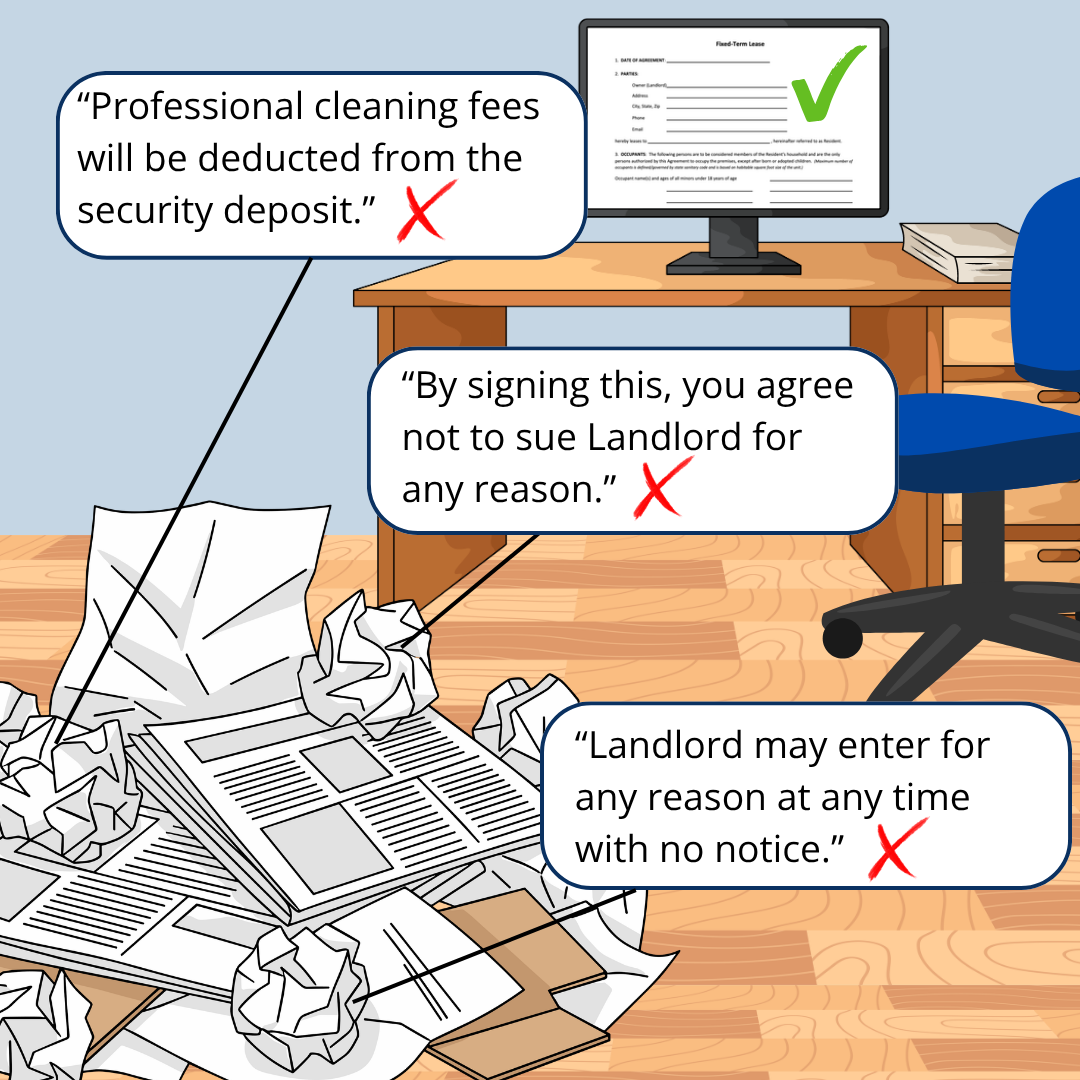
You cannot ask your renters to sign a contract that waives fundamental rights granted under the law. Our forms are up to date and compliant with Massachusetts rental housing law. (Image License: CC BY-SA 4.0 MassLandlords, Inc.)
A lease is a legally binding contract. A renter or landlord breaking some part of that contract can result in legal action.
You can tailor your rental agreement to include just about anything, as long as it is legal. Renters have obligations to their landlords, but you also must follow the law. This article will provide a quick look at some major lease items and what cannot be included.
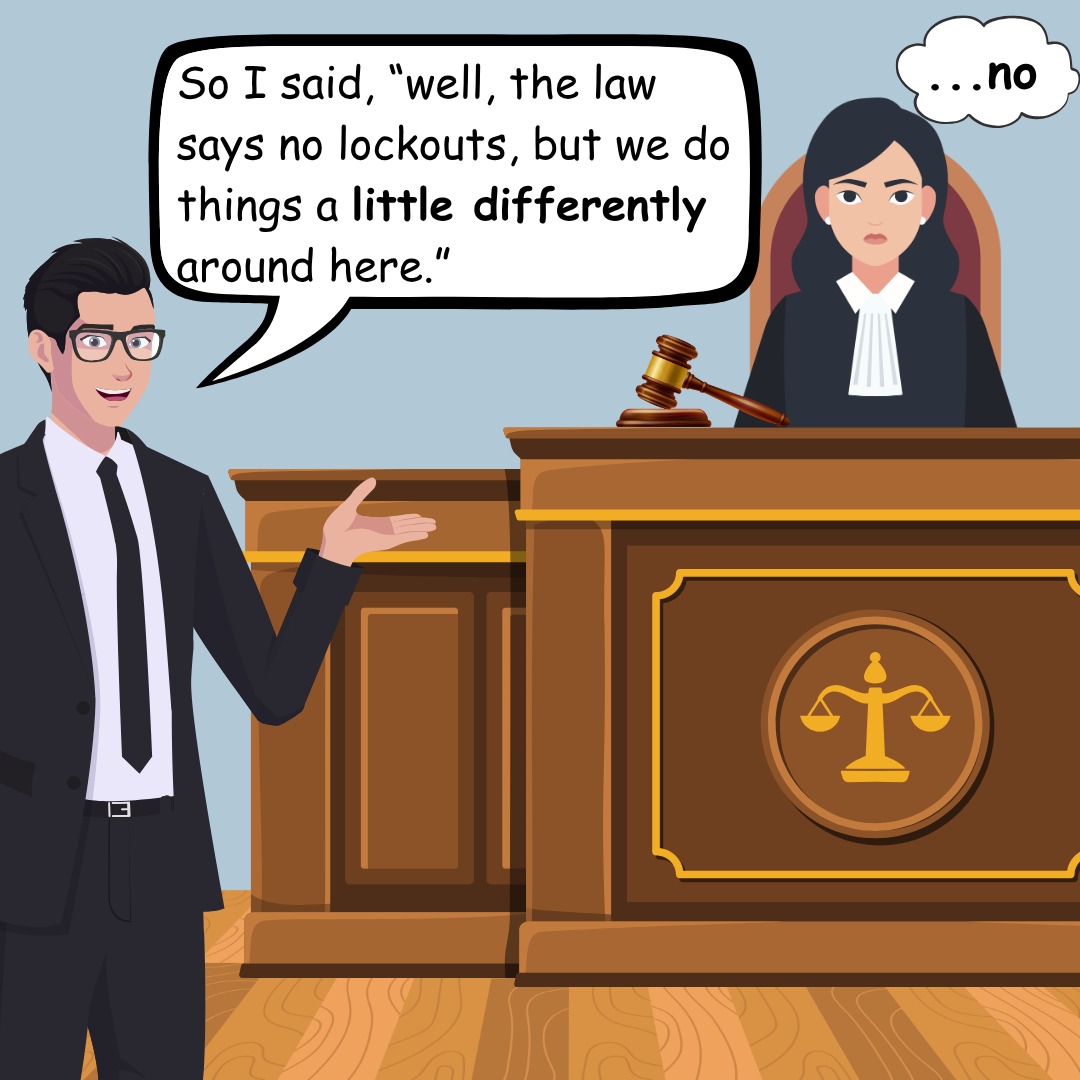
If you end up in court, a judge is not going to look favorably on a lease with unlawful additions. (Image License: CC BY-SA 4.0 MassLandlords, Inc.)
Important: Fundamental Housing Rights May Not Be Waived
Some things cannot go in a lease under Massachusetts law. This includes any language that would cause a renter to waive, or give up, rights that are guaranteed by law.
You can have verbiage in your lease that tells renters what is expected of them, but you cannot have language in your lease that removes their rights. Having that language in a rental agreement can make the entire contract temporarily unenforceable.
If you attempt to enforce that language, you could end up in court. A judge is likely to throw the entire case out if they determine you are trying to enforce a clause that is against public policy.
Here are some areas to pay attention to.
Security Deposit Law
Massachusetts security deposit law is very strict. If you’re new to landlording or need a refresher, read our security deposit basics article.
Renters must take care of the property and not damage it, and you can have language in your lease requiring that. If they do cause damage, you can deduct the actual cost of repairs from the security deposit, as long as you follow all of the steps outlined in the law.
However, you cannot deduct anything from the security deposit that the law considers reasonable wear and tear. This includes cleaning fees. You cannot have lease language that says professional cleaning fees will be deducted from their deposit. The lease also cannot say that repainting, carpet or other routine turnover tasks will be deducted from the security deposit.
Notice Requirements
Massachusetts law (105 CMR 410.003, paragraph E) says you must give your renters 48 hours’ notice before entering a rental. There is an exception for true emergencies.
Renters cannot block access to the rental unit or the property. You can have a stipulation in your lease that says you can enter to inspect for damage. If you need to access the unit and your renter continually refuses access, you can get a restraining order from the court.
However, your lease cannot say that you can enter the unit for routine issues at any time without notice. This would not hold up in court.
Sanitary Code Protection
Your renters should be expected to keep the rental clean and in good repair. Not doing so is grounds for a for-cause eviction.
However, the Massachusetts state sanitary code requires landlords provide safe, habitable housing for their renters. You cannot put language in your lease that contradicts this.
For example, you cannot have your tenants sign something that says repairs will take longer than the law allows, or that you don’t provide a stove. If you have a multifamily rental you cannot tell your renters that pest control is their responsibility. You cannot tell them they have to remove snow from common areas.
Eviction and Rent Payment
Your renters must pay their rent on time and in full. If they do not, you can start the eviction process. Going to court is expensive and time-consuming but our statistics show landlords win those cases more than 99.6% of the time.
However, you must follow the law when collecting rent and pursuing eviction for nonpayment. You cannot have language in your lease that says late fees will be assessed earlier than the law allows. Renters cannot sign away their rights to pursue rental assistance, go through the eviction process or counterclaim code violations.
You can also have language in your lease that says renters must leave when the rental agreement ends (unless you both agree to renew). You cannot put a renter’s things on the curb or change the locks, but you can start the eviction process if they tell you they are not leaving.
Reporting Violations
You should encourage your renters to let you know when there are problems. This lets you fix issues before they get bigger.
However, renters have the right to report code violations to their local board of health or inspectional services department.
Your lease can have language that requests they tell you about problems. It cannot say that your renters are not allowed to contact the city with concerns. It also cannot say that reporting issues with the appropriate local department is grounds for eviction or nonrenewal, or other forms of retaliation.
Conclusion
These are just a few examples of renters’ rights that cannot be waived in a rental agreement. There are many more.
In all things, communication is important. You cannot be unavailable to your renters, and your renters must let you know if they have a problem with the unit or cannot pay their rent. Courts and credit reporting agencies do not look favorably on renters who ghost their landlords. Similarly, a judge is not going to be impressed with you if you refuse to communicate with your renters.
Our rental agreement forms are designed to be compliant with current laws and best practices. Consult with an attorney before adding or removing something from your rental agreement.
For more in-depth information on this and many other topics, attend our Crash Course in Landlording. Or drop in on our weekly Office Hours for open-ended question-and-answer sessions with rental housing experts.