Landlord Basics: Renting to Roommates in Massachusetts
By Kimberly Rau, MassLandlords, Inc.
Renting to roommates is increasingly common, especially in high-cost-of-living areas. As a landlord in Massachusetts, depending on where your rentals are located, you are likely to encounter this at some point.

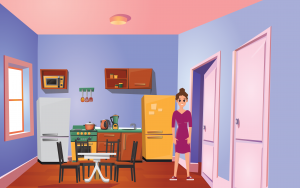
Renting to roommates isn’t just for college students and young professionals. Many renters are sharing space to lower housing costs. (Image License: CC BY-SA 4.0 MassLandlords, Inc.)
Data from the National Association of Realtors shows that the national median age for a first-time homebuyer is 40, the highest it’s ever been. Low housing inventory means high asking prices in desirable areas like Massachusetts. In 2024-25, the share of homes purchased by first-time buyers reached a record low of 21%. As more people stay in rentals longer, and lack of inventory pushes home and rent prices higher, expect to see more people adding roommates as a way to economize.
As long as you can properly screen and approve potential additional tenants, you should be open to renting to roommates. This is especially true in a situation where your renter may no longer be able to afford the rent on their own.
This is not the same as running a rooming house, where you have individual rental agreements for each room, and everyone shares the kitchen. Bathrooms may be shared as well. Rooming houses have their own laws and are beyond the scope of this article. This article will go over some common roommate scenarios. We’ll also discuss any applicable laws surrounding renting to roommates in Massachusetts.
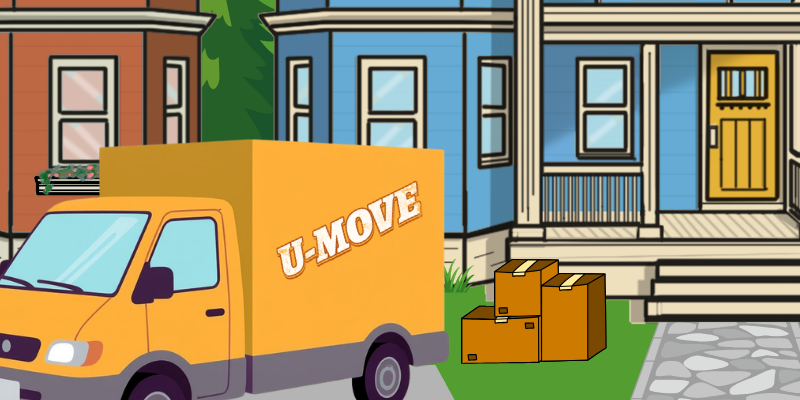
It’s common for renters to want to move with roommates for financial or social reasons. Just make sure you know who’s living in your rentals. (Image License: CC BY-SA 4.0 MassLandlords, Inc.)
All Roommates Must Be Screened and On The Lease
Regardless of how or when a roommate comes into the picture, they must go through your standard tenant screening process and be approved. This should be the same criteria you use for all of your renters. Once approved, everyone must sign the lease. This protects you and your renters. They have an established tenancy. You have a contract that outlines the terms and conditions of that tenancy.
When you rent to roommates on one lease, instead of renting individual rooms, you are renting “jointly and severally.” This means everyone is responsible for the rent and for upholding the lease. If one roommate fails to pay their portion of the rent, the other roommates are responsible for the difference.
Do You Have Room For Roommates?
Massachusetts has minimum square footage requirements for living area and sleeping space, but they are not difficult to adhere to.
The total minimum living area required for one occupant is 150 square feet, and up to five occupants can live in a 550-square-foot apartment. All but the smallest rental units should be able to lawfully house more than one person.
Scenario 1: Roommates Apply Together
Often, a group of two or more roommates will apply for your rental when you list it. This is going to be especially common if your rental is located near a university or if the rent is very high in your city or neighborhood. Students want to live close to campus. Young professionals just starting their careers want to live near their jobs. If that university or job is in Boston, for example, many won’t be able to afford the rent on their own.
As long as you have the space, renting to a group of roommates is no different from renting to a couple or a family with several adults. Screen all applicants, and make sure everyone is on the lease.
Scenario 2: Your Renter Wants To Add A Roommate Later
You could have a renter who wants to add someone to the lease after they’ve already moved in and signed a rental agreement. Often, this is for economic reasons. Sometimes it’s because you initially signed a group of roommates (or a couple), and someone now wants to move out. The renter needs to replace that person because they cannot afford the rent on their own.
Other times, a renter may have qualified for the rental on their own, but circumstances have changed. Now they can no longer easily afford the entire rent. They may have lost a job or had an unforeseen major expense.
As always, communication is key. You should be open to adding a roommate. Refusing could result in the cost of living becoming too high for your renter. Eventually they might not be able to afford the apartment. Talk with your renter and explain that anyone they want to add to the lease must complete the same tenant screening process they did. This protects everyone.
Once the new person is approved, you can draw up a new lease with everyone on it, and end the old one. If the lease is changing because someone else is leaving, make sure you return or “roll over” old deposits. Collect new ones as necessary.
Scenario 3: Your Renter Moves Someone In And Doesn’t Tell You
In this situation, you discover someone you don’t know is living in your rental with your tenant. Maybe your renter moved someone in without telling you. Maybe they’re telling you they simply have a guest, but that guest has been there a long time. Either way, there’s someone new in the rental and your tenant wants them to stay.
Once you find out about the new person, the easiest thing to do is screen the new occupant and add them to the lease. But you must have a conversation with your renter first. Remind them that their rental agreement says all adults over 18 must be on the lease. If they are unwilling to add the new occupant to the lease, or the new person cannot pass screening, ask the new person to leave. If they have been there awhile, they may be considered a tenant already. Be prepared to evict them if there is not a good reason they should stay in your unit.
Read more in depth about unauthorized occupants in a rental.
Conclusion
In our current economy, everything is expensive. This is unlikely to change anytime soon. Roommates are a fact of life for many people who can’t afford or don’t want to live alone. Being prepared for the possibility will make you a better landlord.