
Eviction Moratorium for Federal Employees Expires Jan. 26; New Law Makes Permanent Provisions.
| . Posted in News - 0 Comments
By Kimberly Rau, MassLandlords, Inc.
A new law signed by Governor Maura Healey on Nov. 25, 2025, permanently creates an eviction moratorium for nonpayment of rent for federal employees impacted by federal government shutdowns. The moratorium may remain in effect up to 75 days after a shutdown ends.
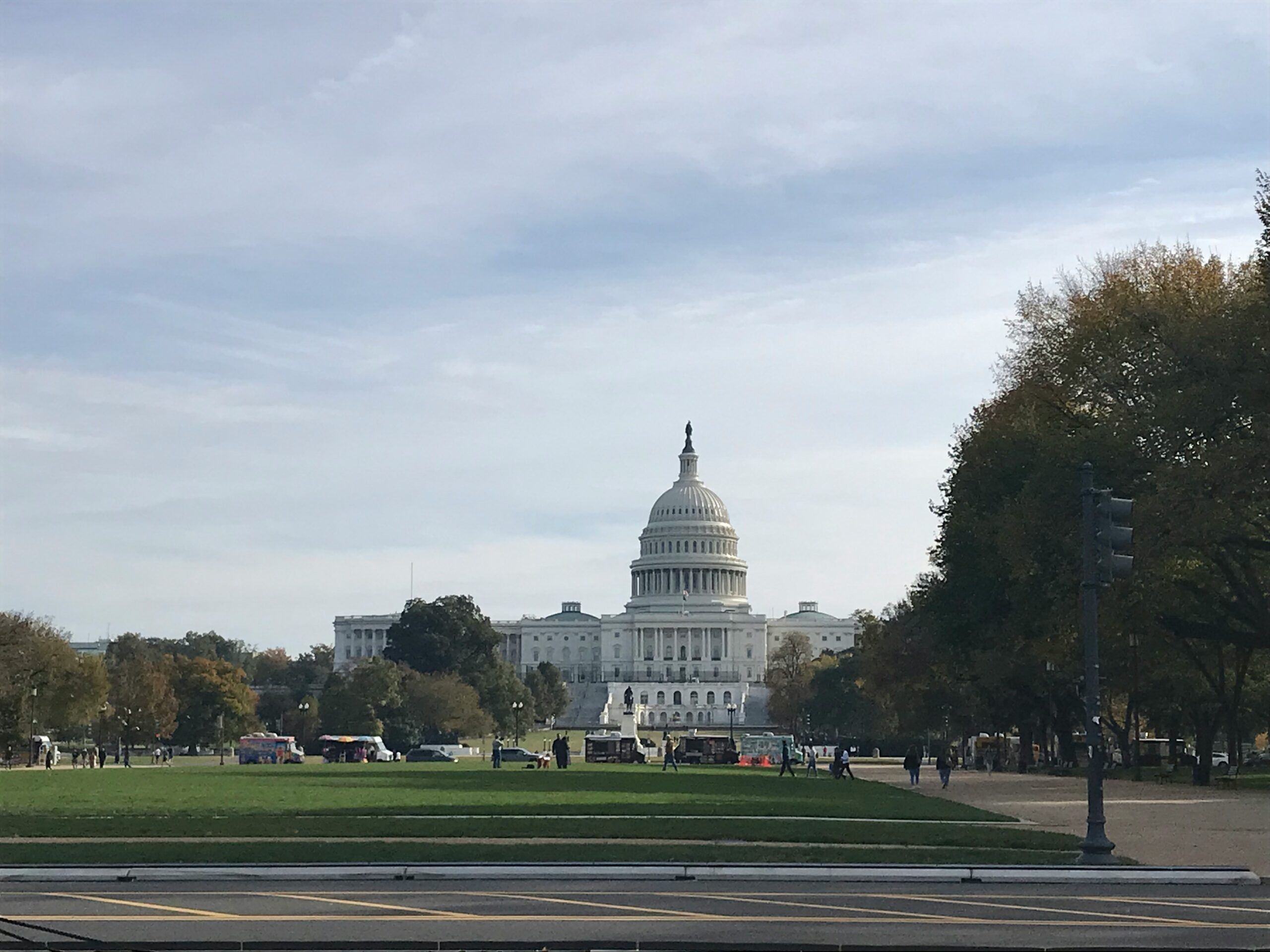
The U.S. federal government shut down for 43 days in 2025, the longest federal shutdown to date. (Image: Anna Gardner for Unsplash)
It also puts an eviction moratorium in effect through Jan. 26, 2026.
The new law, part of Chapter 73 of the Acts of 2025, defines “impacted federal workers” as Massachusetts residents who are employed by the federal government and were furloughed or worked without pay during a federal shutdown. This includes members of the U.S. military, reserves and National Guard.
Here’s what you need to know.
Current Eviction Moratorium in Effect Through Jan. 26, 2026
The signing of the law put an immediate eviction moratorium for nonpayment of rent in place for federal employees impacted by the recent government shutdown, from Oct. 1 to Nov. 12, 2025. This current moratorium went into effect Nov. 25, 2025, and lasts through Jan. 26, 2026.
The federal government officially reopened after 43 days, the longest U.S. federal government shutdown to date.

Thousands of members of the U.S. military, National Guard and reserves are Massachusetts residents. The new law includes them in eviction moratoriums related to federal government shutdowns. (Image: Public domain)
Moratoriums Last at Least 30 Days Post-shutdown
Eviction moratoriums enacted as a result of a federal government shutdown begin with the shutdown and last a minimum of 30 days after the federal government reopens. However, the governor may extend the moratorium for up to 75 days after reopening.
During this time, you may not send notices to quit or other requests/demands to vacate for nonpayment, as long as your tenant provides notice and documentation that they are an impacted federal worker suffering significant financial difficulties related to the shutdown. The law protects landlords who take action “in good faith” based on renter-provided documentation.
Massachusetts courts will generally be unable to enter judgments for possession, deny continuances of 30 days or less, or schedule any new court events other than status hearings in cases involving qualified impacted federal workers.
The courts will also be unable to enter default judgments for nonpayment cases, unless they are able to determine the defendant tenant is not protected under the new law.
All Nonpayment Eviction Cases During Moratoriums Require Specific Language
During these shutdown-related moratoriums, landlords cannot evict impacted federal employees for nonpayment of rent. Furthermore, all nonpayment cases filed during a moratorium must include a written statement to the courts stating the defendant is not an impacted federal worker.
This written statement must be included on all nonpayment-of-rent complaints filed with the court. If you forget to include this statement, the court is compelled to reject your case until you provide it.
A new version of the standard Summary Process and Complaint form that will include a box to check with the required language beside it is reportedly in the works. That form is expected to be available soon. Until then, landlords can either write the required language onto the face of the complaint itself, or include a separate signed document with the filing.
Late Fees, Negative Credit Reporting Banned During Moratoriums
Landlords are not allowed to assess late fees for unpaid rent if a renter provides notice and documentation that they are an impacted federal worker, and the nonpayment is due to financial hardship related to the federal government shutdown within 30 days after rent is due.
Similarly, if you report rent payments to a credit agency on behalf your tenant, you may not report a late payment if your renter provides required documentation within 30 days.
Your tenants should use the financial hardship form for federal workers offered on the state’s website. The downloadable notice and certification form includes a link to instructions for filling it out if your renters need additional assistance.
Last Month’s Rent May Still Be Used for Landlord/Owner Expenses
If you collected last month’s rent from your tenant at lease signing, it is yours and you can spend it right away. There is no requirement in MGL Chapter 186 Section 15B that this rent be put into a bank account; interest owed on last month’s rent is only owed if you do bank it (Gallo v Marinelli, 2016, citing Neihaus v. Maxwell, 2002). See our article Should You Take Last Month’s Rent at Lease Signing?
The new eviction moratorium seems written from a false understanding that last month’s rent is always held until the end of the tenancy. The moratorium says you may use that rent toward expenses, including mortgages, utilities, repairs and required maintenance. This was already the case.
The moratorium text can be interpreted in the following way: If you have previously put last month’s rent into a savings account, you can take it out during the moratorium. You must notify your renter in writing that you used their last month’s rent toward expenses. You still have to pay your renter any accrued interest on that rent as required under MGL Chapter 186 Section 15B. Because Chapter 186 Section 15B does not require interest, we imagine this text will result in litigation. Are you supposed to pay the interest as if the money had remained in the account? This was never the case before.
Unintended Consequences: Employment Status Is Not Protected in Massachusetts
There’s one way to get around the eviction moratorium that we’re sure legislators did not consider when drafting this law: You can refuse to rent to people who have federal employment.
To be clear, this does not include military members. Military status is a protected class in Massachusetts, and refusing to rent to someone because they are a member of the armed forces, reserves or National Guard could set you up for a discrimination lawsuit. Don’t do this.
But civilians who are federally employed may find themselves having a harder time finding apartments to rent if landlords don’t want to deal with the possibility of another federal shutdown and the ensuing eviction moratorium.
Conclusion
As with prior eviction moratoriums, the law states renters are still obligated to pay the rent they owe, and landlords are not restricted from attempting to recover the owed rent.
The good news is, federal employees who worked without pay during a shutdown will receive their owed back pay when the government reopens, allowing them to make you whole. Furloughed employees are also required to receive back pay. The government must provide this as soon as possible after a shutdown ends, though schedules can vary by agency.
For full text of the law, see Chapter 73 of the Acts of 2025. The relevant eviction moratorium text is in Section 55. This section will be added to MGL Chapter 39 as Section 17.