Landlord Basics: Housing Discrimination Law in Massachusetts
By Kimberly Rau, MassLandlords, Inc.
Housing discrimination is a serious subject. Sometimes what we say or do can be discriminatory even if we don’t intend to hurt anyone. On top of that, the penalties for being discriminatory in Massachusetts can cost you tens of thousands of dollars. Here are the basics on running a compliant, fair rental housing operation that won’t get you charged with discrimination.
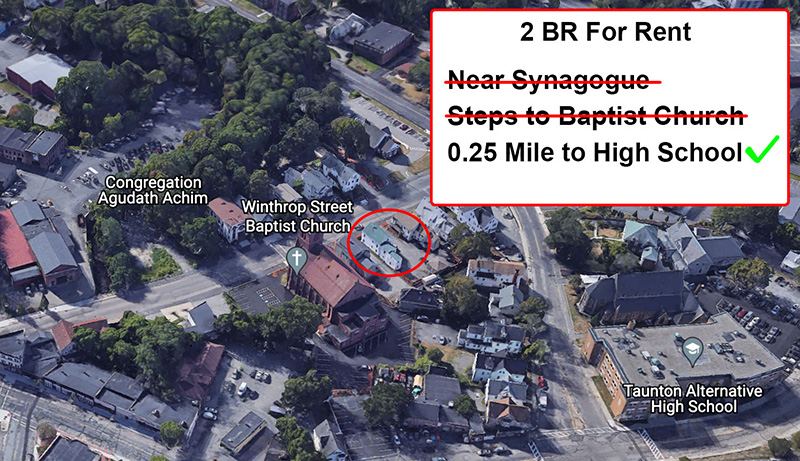
You might think you’re being helpful by mentioning your rental is close to a house of worship, but that can be seen as showing preference for renters of a certain faith. (Image License: cc BY-SA 4.0 MassLandlords, Inc.)
What Is Discrimination?
Discrimination is treating someone unfairly based on a certain characteristic or set of characteristics, such as their race or their sexual identity. It’s a complicated, widespread issue that affects many aspects of day-to-day life, from going to work to finding a place to live. And, in many cases, it is unlawful.
On both a federal and state level, protections are in place to prevent discrimination in the workplace, in public and in the housing market. The law says you cannot discriminate against someone based on certain characteristics, which become part of “protected classes.”
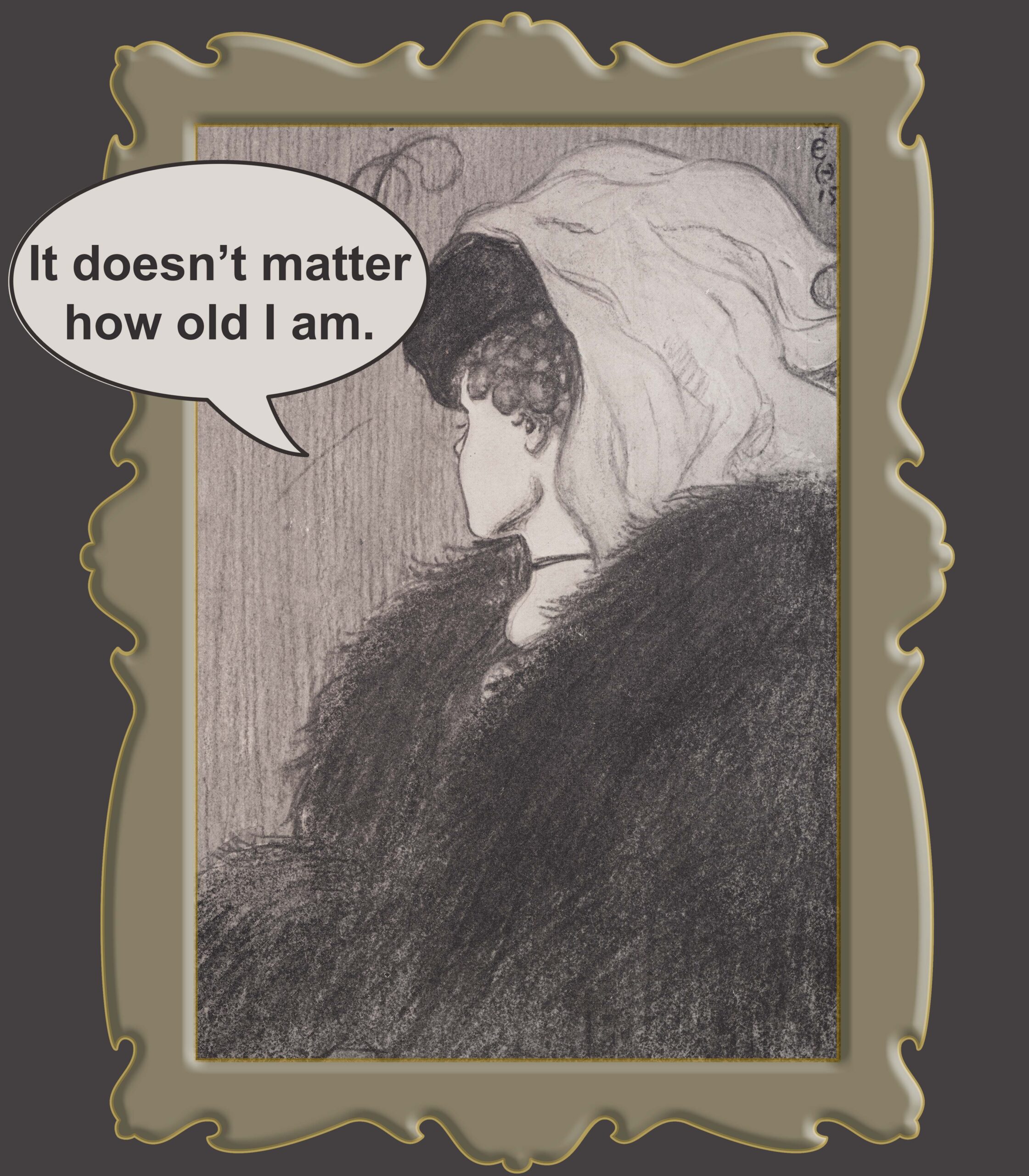
You can’t refuse to rent to someone because of their age. Statements like “are you sure you’ll be able to manage the stairs?” or “will this apartment be suitable if you have a baby?” should be avoided. (Image License: cc BY-SA 4.0 MassLandlords Inc., derived from public domain image)
Protected Classes in Massachusetts
To prevent discrimination, the government recognizes certain groups as part of “protected classes.” When it comes to housing, this means you cannot deny someone housing or treat them differently from other tenants or applicants based on their protected class status.
The federal government recognizes the following seven groups as protected classes under the Fair Housing Act: race, color, national origin, religion, sex, family status and disability.
Massachusetts takes it further, adding several additional protected classes that make it unlawful to discriminate against someone based on source of income, sexual orientation, gender identity, age, marital status, veteran/military status, ancestry and genetic information. The state also lists “hair style and attributes associated with race” as a protected class.
These protections extend to people who are perceived as belonging to a protected class even if they are not. For instance, a heterosexual woman who is perceived as gay and denied housing based on that perception would likely have grounds to bring a discrimination lawsuit against a housing provider, even though she is not gay.
An applicant cannot be rejected because they are a part of a protected class. They can be rejected for valid reasons. Continuing the example, if someone you believe is gay applies for your rental but does not meet income guidelines and cannot get a co-signer, you are free to reject that application on those grounds. You cannot deny them because you think they are gay.
We have detailed articles on of each of these protected classes linked on our housing discrimination information page.
Discrimination Takes Many Forms
Some forms of discrimination are straightforward, and clearly unlawful. This includes putting “no Section 8” (source of income) or “no kids” (family status) in a housing ad. It would include telling someone who mentions a same-sex partner that you only rent to married couples (marital status) or “traditional families” (sexual orientation).
You/your property manager are not allowed to put anything in a housing ad that discriminates against a protected class, and you can’t communicate discriminatory preferences in any other way, either, whether that’s verbally or in writing. Doing so can get you charged with discrimination.
But there are other, less clear, forms of housing discrimination. These are harder to prove but could land you in court if someone catches you. Don’t do these either. Occasionally, the Massachusetts Commission Against Discrimination (MCAD) will send out testers to see if landlords are being discriminatory. You don’t want that to happen to you.
Different treatment (even if you’re trying to be nice)
Treating one group of applicants differently than another can be seen as discriminatory if one group is part of a protected class. The perception would be that you are being warm and welcoming to the “desired” set of tenants, and cold and un-welcoming to the “less desired” set of renters in an effort to make them apply elsewhere. This can also be called “steering,” which we discuss next.
Maybe your intentions are not discriminatory. Perhaps the first set of applicants came in wearing jerseys from your favorite sports team and it was easier to chat with them than the second set. Maybe you thought you had nothing in common with the other applicants, and so you weren’t as talkative. That can be a problem if the second set of people is part of a protected class and thinks you were being reserved because of that. Keep your conversations as neutral as you can when interviewing applicants or showing an apartment.
Finally, “I was just being nice” is not an excuse if you make someone feel discriminated against. “I love your braids!” and reaching out to touch someone’s hair is not okay. “I just love gay men, they’re all so stylish!” is unprofessional (and also untrue). Avoid any statements about race, sexuality or protected classes, no matter how friendly you think you’re being.
Steering
Steering is making comments designed to discourage an applicant from renting a certain apartment, even if your intentions are good.
“I see you speak Spanish. My other building has a lot of Spanish-speaking tenants. Would you like a tour there?”
“You have kids? You probably want to see the first-floor apartment instead of the third-floor unit.”
“I don’t know if the other neighbors will like a service dog. But my friend has a duplex that takes pets.”
In all of these statements, you are attempting to turn, or steer, your applicants away from the rental they want to see and encouraging them to consider something else. This can be seen as discriminatory, even if the other place is also a rental you own or manage. Such steering is unlawful.
What can you do? Trust your renters to know what they want in a rental. If they ask you if you have anything else on the market, or express concern about some aspect of your apartment, then you can tell them what else is available.
Best Practices To Avoid Discrimination When Renting an Apartment
Discrimination charges are expensive to beat, even if you eventually prevail in court. You could also be held responsible for discriminatory things your property manager or broker is accused of, even if you were unaware they were doing them.
Advertise your apartment, not the kind of renters you want.
We’ve talked about how it is unlawful to advertise with language that is exclusionary (“no kids” or “no Section 8”). But advertising what kind of renters you prefer also opens the door to accusations of discrimination.
“Close to a church” implies you would prefer a renter who attends that church. “Perfect for a couple” suggests you don’t want children in the rental. “Professional preferred” tells applicants that blue collar workers may not be welcome.
Instead, focus on what your apartment has to offer in terms of amenities and let renters decide if they want to apply.
Keep conversations neutral and focused on the rental.
When you are showing the property or talking to applicants, keep your conversations about the rental. Don’t ask personal questions that aren’t relevant to the application, and don’t talk about your own preferences or beliefs.
Remember, your tenants are not your friends, and you’re not going on a date. Keep things professional, and don’t get swept up in discussions that aren’t relevant. All the information you need to know can be lawfully obtained through your tenant screening process. Which brings us to our next point.
Treat all applicants the same way.
The best way to avoid a discrimination charge is to treat each applicant the exact same way. You shouldn’t sound like you’re reading from a script, but you also shouldn’t give some people more of an advantage than others.
To do this, we recommend you use our tenant screening forms for every renter you consider. This ensures all applicants are screened the same way, and approved or rejected based on the same merits.
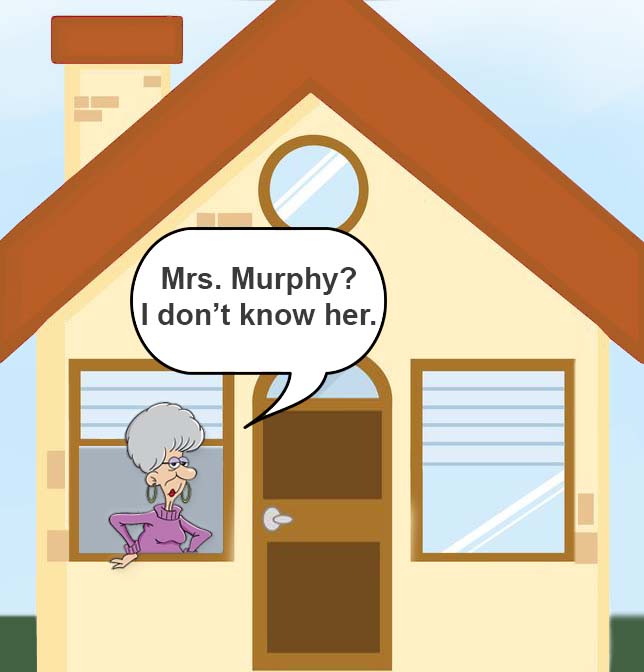
Just because you can discriminate doesn’t mean you should. We suggest not using the Mrs. Murphy exemption. (Image License: cc BY-SA 4.0 MassLandlords, Inc.)
Are There Exceptions to Housing Discrimination Law?
The “Mrs. Murphy” exemption exists for owner-occupied rental properties with four units or fewer. Created by a Vermont senator and added to the Fair Housing Act, Mrs. Murphy (who is not a real person) allows small landlords in owner-occupied buildings with four units or less to deny housing to members of certain protected classes.
In those cases, owners are exempt from many aspects of the Fair Housing Act. But we strongly recommend you do not do this. Just because you can doesn’t mean you should.
If you do want to use the Mrs. Murphy exemption, you cannot advertise your preference. If you owner-occupy a duplex and don’t want to share the property with children, you can’t say “no kids” in the ad or when you are communicating about the property.
You can’t tell an applicant that you are denying them based on their protected class status. And you cannot refuse to rent to someone based on their race or skin color, no matter what kind of property you own.
You also cannot hide behind the Mrs. Murphy exemption if you own other properties, or employ a property manager.
We suggest you do not invoke the Mrs. Murphy exemption. This has not aged well, and should remain in the past.