What’s Driving Increased Vacancies in Massachusetts?
. Posted in News - 0 Comments
By Kimberly Rau, MassLandlords, Inc.
Throughout Massachusetts, landlords are reporting their units sit vacant for longer, and the statistics back this up: September 2026 has seen the highest vacancy levels since 2020, according to data gathered from Boston Pads. Increased cost of living, declining immigration, out migration, visa restrictions, decreased funding to universities and new construction are all factors in the number of rentals sitting empty.
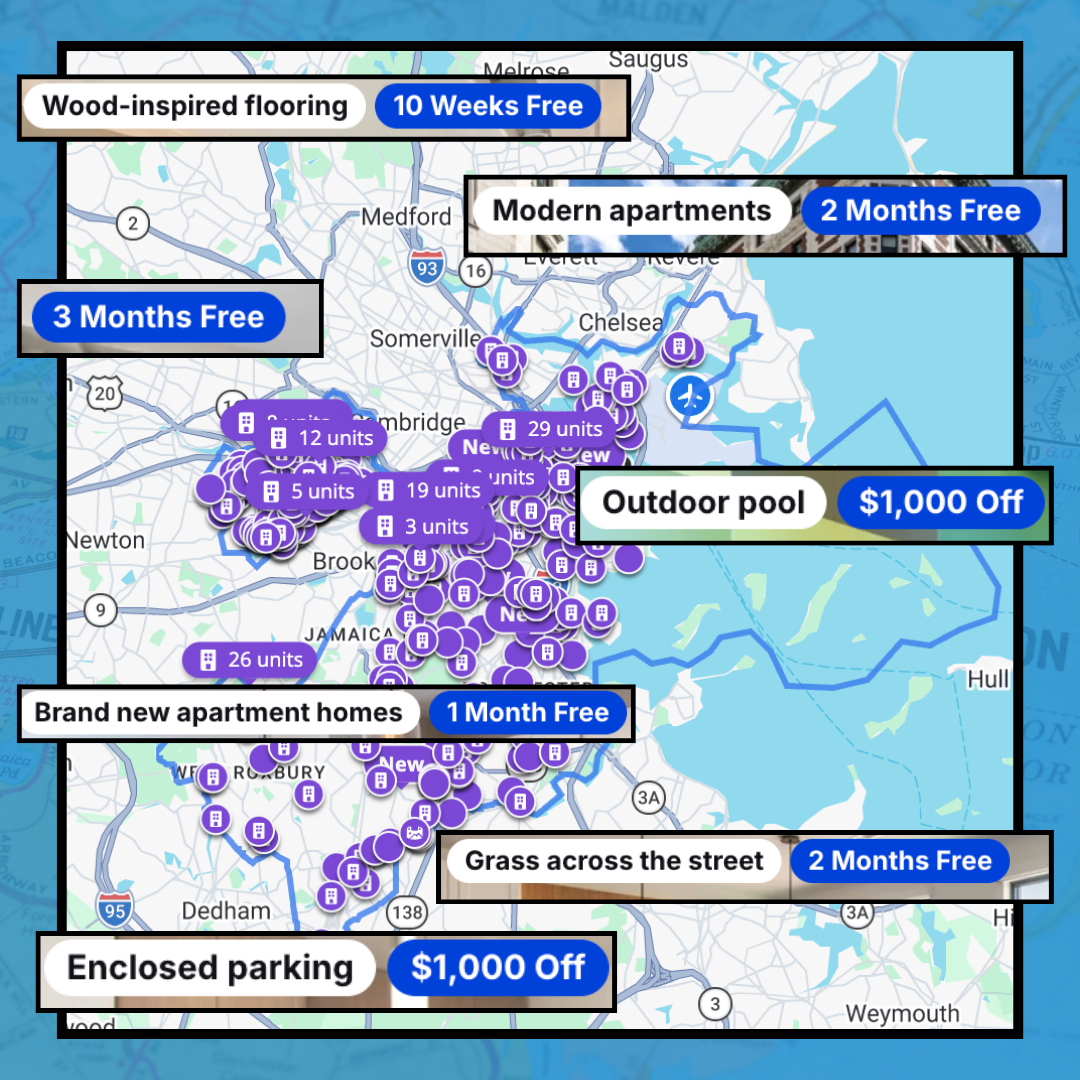
A Zillow search for Boston rentals yielded 12,140 results. Many on the first page boasted amenities and incentives like a month or more of free rent to entice renters. (Image: Fair use)
“This September 1 came in with more inventory. The city itself right now has about 16.79% more inventory than it did one year ago today,” Boston Pads CEO Demetrius Salpoglou told CBS.
Some of our members may agree. Over the past year we’ve seen multiple posts in our Google and Facebook groups asking if others were also experiencing a slow market. Apartments are sitting vacant for longer stretches.
Some might be inclined to blame high rents, which certainly can prohibit people from moving or qualifying for a rental. But Boston rents have come down in the past couple years. The comparatively high cost of living in Massachusetts may deter people, but that’s not the only reason units are staying vacant.
In this article, we’ll look at some of the primary causes for the decreased renter population in the Bay State, starting with affordability and moving on to some less-considered reasons.
“Out Migration” Shows Residents Moving to Cheaper Areas
In 2025, 33,000 more people moved out of Massachusetts than moved in, according to data from the U.S. Census Bureau. This represents an increase over 2024, and a growing trend since 2019.
It’s not just retirees: A large number of those who left the state are individuals between 24 and 35 years old. In that demographic, roughly 66% of individuals in Massachusetts are not homeowners, creating a large potential rental population. City-specific numbers are even more stark: A whopping 82% of Boston residents in that age bracket do not own their own home. When those residents move out, a lot of rentals are left vacant.
That’s a lot of renters, and a lot of them are leaving. A poll published by the Mass Opportunity Alliance (MOA) showed that 1 in 3 Massachusetts residents reported that either they’ve personally considered leaving the state, or know someone who has considered moving elsewhere. In the 18-34 demographic, 53% reported the same.
“This is not just an affordability crisis for lower-income residents or a tax complaint from higher earners,” the MOA stated in its article reporting the poll results. “It’s a broad-based concern about whether Massachusetts still works for people trying to make a living.”
This is corroborated by a study from Boston University, which found the primary reason for this out migration is Massachusetts’ high cost of living.
Immigrant Families Are Moving to Conservative States
Recent census data shows approximately 45% of residents in Chelsea, Massachusetts, were born abroad. Other statistics showed 85% of Chelsea students lived in a home where English was not the primary spoken language.
In 2025, representatives from the Chelsea school department spoke to the media after they saw a major drop in enrollment. They cited an increased presence of immigration, or ICE, agents in the city.
“Parents are saying, ‘Well, we're leaving … we don't want to live where there's ICE on the streets, so we're leaving Chelsea,’” Chelsea Superintendent of Schools Almi Abeyta told WBUR in a September 2025 article.
Abeyta said school staff reported families were moving to states where anti-immigrant enforcement is lower.
Daniel Mojica, who runs the Parent Information Center for the Chelsea school district, told WBUR that approximately 990 students transferred out of Chelsea between October 2024 and September 2025. This represents around 16% of the student population, which sat at 6,094 enrollees for the same time period. Mojica corroborated what Abeyta said: Many of those students were moving to Republican-leaning, or “red” states. Some left the country entirely.
The problem isn’t limited to Chelsea. Mary Bourque, who heads the Massachusetts Association of School Superintendents, said multiple school systems across the state are losing students from immigrant families.
That’s a lot of empty chairs in the classroom, and a lot of empty housing units on the market.
Fewer People Are Immigrating to the U.S.
Along the same lines, and likely for the same reasons, fewer people are immigrating to the United States. Numbers from the Census Bureau show a “historic decline” in international migration to the United States.
According to the U.S. Census Bureau, net international migration (NIM) peaked at 2.7 million in 2024. As of July 1, 2025, it had dropped to 1.3 million. The Bureau’s projections estimate it to further decline to 321,000 throughout 2026.
“The large drop in NIM from 2024 to 2026 was caused by both a decrease in immigration and an increase in emigration…during that period,” the report states. It goes on to say if the trend continues, the United States could see negative net migration in the near future.
Fewer International Students Are Enrolling at Massachusetts Universities
Just as fewer people are moving permanently to the United States from other countries, fewer international students are choosing to study in America.
Media outlets began reporting the drop in numbers in late 2025, as fall enrollment numbers from colleges and universities became available. Massachusetts ranks fourth out of all states in international student enrollment, with some university budgets relying heavily on tuition from international students.
Experts pointed to visa restrictions and travel bans to explain the declining numbers. Recent policy hasn’t helped: In July 2026, the federal administration announced that international student visas would be limited to four years. Students looking to enroll in six-year undergraduate programs or pursue post-graduate degrees would find themselves unable to complete their education.
As of publication in September 2026, a federal judge has put a temporary injunction on this policy, but it may be too late to entice international students back. That creates a large number of vacancies, especially for Massachusetts universities that have less on-campus housing to offer students.
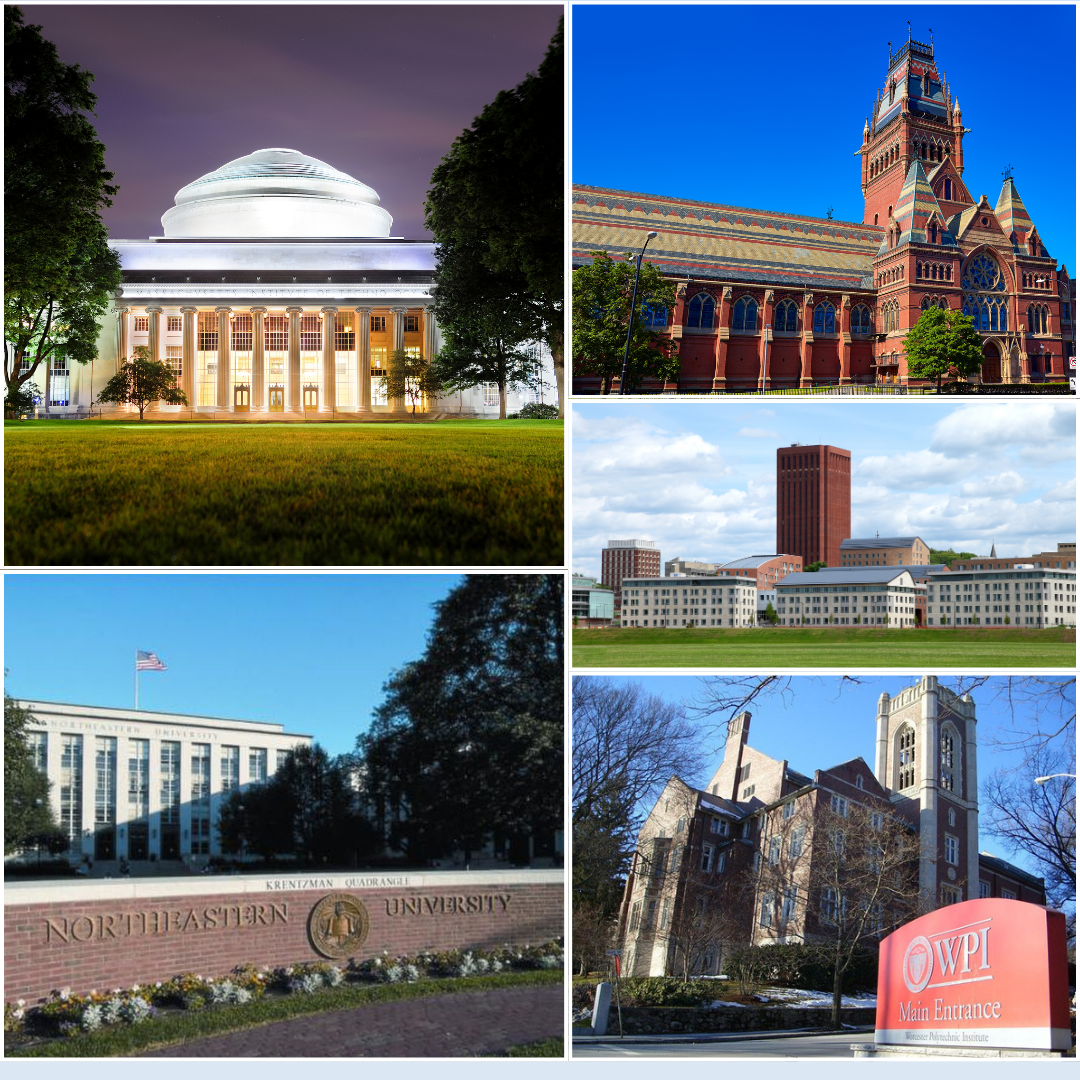
Many colleges and universities across Massachusetts rely on federal funding and international student enrollment. A decline in both means more vacancies in college-town rentals. (Image License: CC BY-SA 4.0 MassLandlords, Inc.)
Decreased Funding to Massachusetts Institutions Means Fewer Students Overall
As money from international student tuition decreases, the U.S. federal government is also cutting funding to Massachusetts colleges, universities and research hospitals. Governor Maura Healey reported the state lost $3.7 billion dollars in federal funding, some of which would have gone toward higher education.
Some of these cuts have been subtle, including proposed changes lowering the amount of funding available for the staff and facilities that indirectly support researchers. For example, every lab bench serving one scientist is part of a facility that manages the hazardous waste produced by all those experiments. The change to indirect costs has been prevented so far, but only by diverting resources from admin staff (who may rent) to attorneys (who mostly own).
The Broad Institute of MIT and Harvard is a rare public example of the many school organizations laying off staff discreetly. Often the cuts are unnoticed. When funding at universities is diverted to litigation, programs shrink. Tenured professors are rarely laid off, so the cuts land on rank-and-file associate professors and support staff who would have rented our buildings. This is especially true if a professor can get research money elsewhere.
The New York Post identifies 105 researchers who have left the U.S. for China, but can identify only one as having done anything wrong (Charles Lieber, a leading Harvard chemist, was convicted of tax fraud in 2021 for not reporting his $50,000-per-month salary from Wuhan University). The fact is a scientist is worth several times what we pay their labs, and Massachusetts used to have as high a concentration of world class researchers as anywhere else. This is still true, but changing for the worse.
The current federal administration also announced sweeping changes to federal student loan eligibility and loan limits, which impacted students’ financial aid.
All of this erodes what was once an extremely strong fall Boston rental market, previously driven in no small part by the preeminence of American research institutions based in Massachusetts.
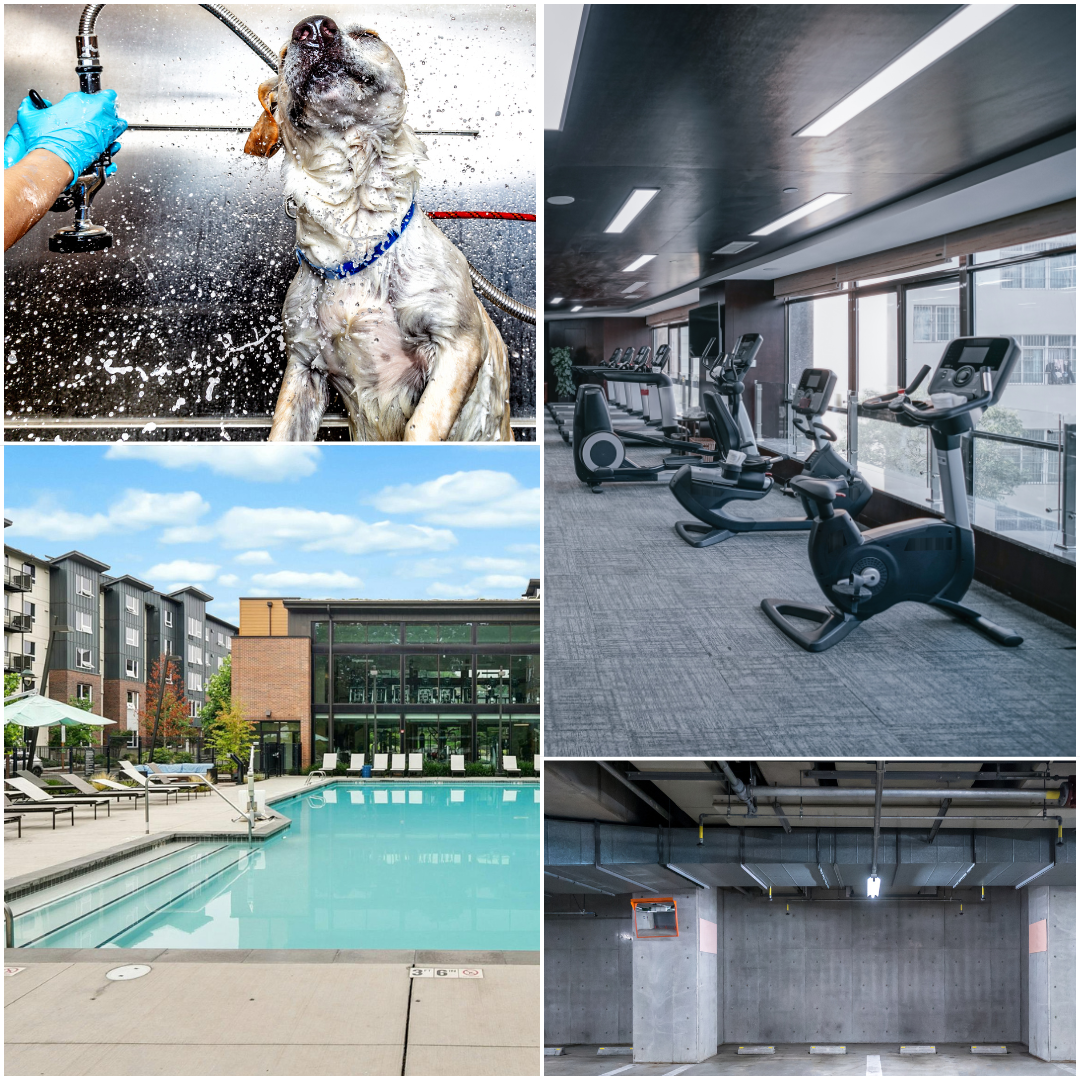
Dog washing stations, gyms, enclosed parking, pools…new luxury construction boasts all kinds of amenities mom-and-pop landlords can’t match, potentially luring applicants away. (Image License: CC BY-SA 4.0 MassLandlords, Inc.)
Older Units Can’t Compete With New Construction
In an effort to address the housing crisis, Massachusetts has committed to building more housing units, which we applaud. Our related story, “Rent Prices Are Falling Nationwide and in Boston, Reports Realtor.com,” delves deeper into this.
Some of these new units are being created from former office buildings. Others are new construction. Whatever the project, developers are eager to offer amenities not typically seen in smaller rental outfits. One planned development in Roxbury plans to offer gallery space, a dog washing room and a private inner courtyard, among other amenities. A South Boston conversion promises a roof deck for resident use. Many of the proposed new developments, like the 90 Braintree St. project in Allston and the West End Library conversion on Cambridge Street, will have affordable units.
This could mean more vacancies in smaller rentals, especially if rents continue to fall and more people can access the newer units.
Conclusion
Like the housing crisis in general, there is no single reason for the number of increased vacancies across Massachusetts. Instead, we have a multi-pronged problem that will require changes across many areas to properly address.
If you are facing longer vacancies, there are a few things you can do. Make sure your rentals are competitively priced, and up to date on repairs and maintenance. See if there are additional amenities you can easily offer to entice new renters, like free Wi-Fi, a garbage disposal, a fridge with an ice maker, or similar. Screen your renters carefully. If you’re in a hurry to get a unit occupied, consider calling brokers and offering to pay their fee if they can place a renter. Try not to sign an exclusive agreement with any one broker if possible.
If your units are currently filled, work with your renters to keep them in place whenever practical.
Have you experienced increased vacancies? Let us know at hello@masslandlords.net.