Landlord Basics: The Massachusetts State Sanitary Code
By Kimberly Rau, MassLandlords, Inc.
Landlords in Massachusetts must follow 105 CMR 410, the state sanitary code. These regulations are considered the minimum standards for habitability, and are enforced by the Department of Health.
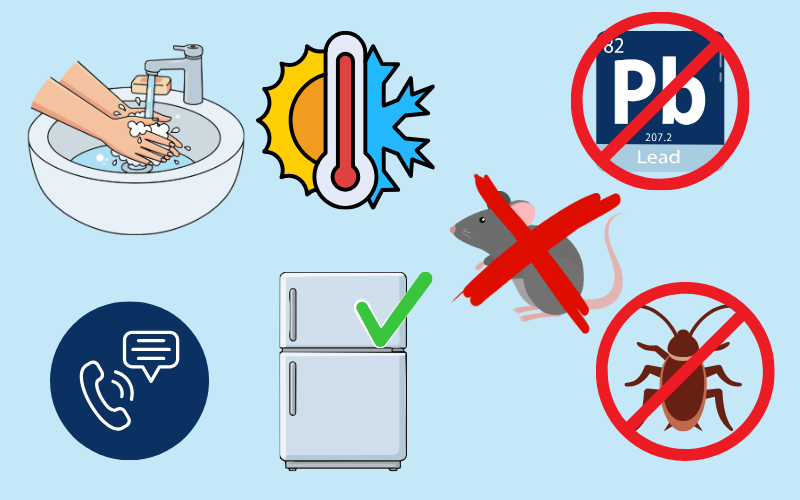
From running water and a functional kitchen to pest control and lead abatement, the state sanitary code, 105 CMR 410, has more than 250 regulations landlords must follow. (Image License: CC BY-SA 4.0 MassLandlords, Inc.)
State Sanitary Code Basics
The state sanitary code, which was most recently updated in 2023, is different from the building code. The state building code applies to new, permitted construction. The sanitary code applies to all rentals at all times. Sometimes the state sanitary code references the building code.
The entire sanitary code is 30 pages long and has more than 250 separate inspection points. If you are concerned your rental is not up to code, you will want to take time to review the entirety of 105 CMR 410.
Here are some of the most important requirements.
Square Footage
First, your rental unit must be large enough to house all the people planning to live in it. Because the square footage requirements are relatively modest, most rentals are likely to be fine.
The total minimum living area required for one occupant is 150 square feet. Up to five occupants can live in a 550-square-foot apartment. Most rental units, even modestly sized apartments, are likely to fulfill this requirement.
The sanitary code only considers living space in calculating square footage. This means hallways, bathrooms, porches and basements don’t count.
The sanitary code also has minimum requirements for sleeping space. Your rental must have at least 70 square feet of sleeping space for the first occupant, or 100 square feet for two occupants. Each additional person needs an additional 50 square feet of sleeping space.
Basic Amenities
There are certain things you must provide for your renters. This includes a kitchen with basic appliances and a bathroom with working plumbing. Kitchens and bathrooms must have proper ventilation.
Your apartment must also have heat that can maintain required temperatures in the winter, hot and cold water for drinking and bathing, windows, lights and code-compliant electrical outlets.
The requirements for kitchens were updated in 2023 and are extensive. If your rental is older, you may need to update your facilities. There are no grandfather exceptions for this part of the sanitary code. If you are planning to renovate, make sure the choices you make are in line with the sanitary code.
Hazards and Pests
As a landlord, you must provide safe housing for your renters that is free of pests and hazards. Here are the big ones.
Lead paint: Rental units constructed before 1978 may have lead paint, which is very dangerous if ingested. If a child under age 6 is in the unit, you must delead. You cannot deny housing to families with young children, as that is considered discriminatory.
Asbestos: Some older buildings may also contain asbestos, which was used for fireproofing and insulation for decades. If the asbestos is contained, it may not be considered a hazard. However, if it is crumbling, you will need to fix the issue before your rental can be considered up to code.
Pests: You must provide a rental that is free from pests such as mice or insects, and keep the unit maintained so that pests cannot get into the unit.
You must inspect for pests before each new tenancy. We’ve created an inspection checklist to help with this. If there is an infestation after tenancy begins, you will need to fix the problem by calling in an exterminator, as well as a professional who can help identify points of entry and seal them off.
In multifamily rentals, you are responsible for pest control and extermination.
In single-family rentals, your renters are responsible for extermination, as long as you have maintained the premises in such a way that pests cannot get in. In other words, if you have old, ripped screens on the windows, and your renters report an infestation, you would have to pay for pest removal. If you have properly maintained the property, you are not responsible for extermination costs.
Regardless of the building size, you must inspect for pests to ensure the premises are pest-free before each tenancy.
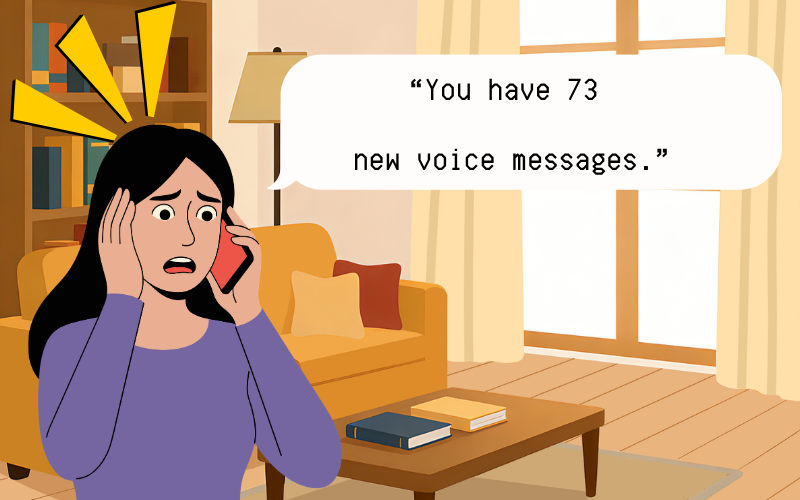
The state sanitary code requires you provide your renters with contact information, including phone number, and check that phone number every 12 hours. (Image License: CC BY-SA 4.0 MassLandlords, Inc.)
Contact Information and Availability
Your renters need to know how to contact you in case of emergency. If you do not owner-occupy, the state sanitary code requires you have a sign posted with your name, address and telephone number. If you have a property manager, their information must be posted as well.
Make sure the phone number you post is a number you can answer easily. The sanitary code requires that you monitor it no less than once every 12 hours, or twice a day. If you are going to be away, your renters must have an alternate person to contact.
Board of Health Inspections and Making Repairs
If your renters believe something is not up to code in their apartment, they can contact the city board of health to perform an inspection.
Ideally, your renters would bring their concerns to you first and you would address them right away, but they don’t have to. To avoid this, check in frequently with your renters and tell them you will fix problems they report quickly (and then do this).
If you fail an inspection, you will be given a time frame to correct the violation. How much time you are given depends on the severity of the issue. “Good faith” efforts to fix major issues such as lack of heat or water must begin within 24 hours. You may have up to 30 days to correct smaller violations, such as minor repairs. Check your inspection paperwork or contact your board of health or department of inspectional services if you are not sure.
This is just an overview of a very extensive set of regulations that govern rental housing. In general, you should pay attention to the little details and fix things as soon as you notice an issue. If something is broken, missing, loose or leaking, take the time to address it quickly, before things escalate.